Rhythm problems
Discover how light therapy and dawn simulation can help you combat winter depression and improve your mood.
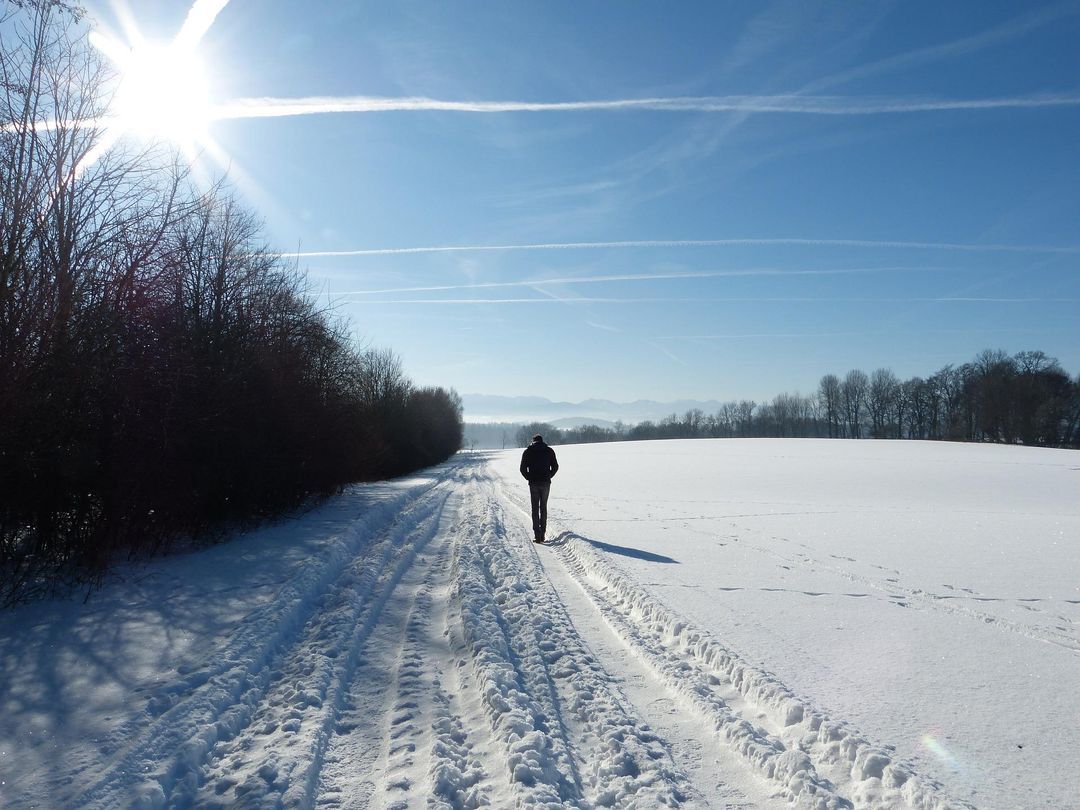
The seasonal affective disorder (SAD) is a form of recurrent depression or bipolar disorder that comes and goes at certain times of the year [1]. The most common form is the winter form W-SAD, which is often referred to as "winter blues" or "winter depression." In Austria, about 2.4% of people are affected by SAD, with its prevalence increasing towards the north [1]. In Finland, 9.5% of the population meets the criteria for winter SAD and 18.5% for a sub-syndromal form of it [2]. In a survey in Germany, just under a third of the respondents reported having impaired mood during the winter [3].
SAD is associated with a delayed circadian phase. People with delayed sleep phase syndrome (DSPS) have a 3.3-fold increased likelihood of developing SAD [1]. The severity correlates with the degree of delay.
Bright Light Therapy
Bright light therapy (BLT) is the first-line treatment for seasonal affective disorder. The recommended setting is exposure to 7000-10000 lux of white broad-spectrum light for 30 minutes every morning for at least 2 weeks. When natural daylight is not available, the typical light source is a daylight lamp, but light therapy glasses are an emerging alternative. The exact timing depends on the individual chronotype and should be set in consultation with a doctor. BLT can improve the symptoms of SAD within a few days and is most effective when done consistently at the same time each day. [5]
It is believed that light affects mood positively in two ways:
The consistent exposure stabilizes and strengthens your circadian rhythm. The synchronization between the internal clock and the external schedule seems to be beneficial, as BLT in the morning is proven to be more effective than at other times of the day [5].
Light modulates the availability of serotonin and other monoamines, which play a crucial role in affective disorders and sleep regulation [5]. The exact mechanisms behind BLT are still an active area of research.
Dusk Simulation for Easier Waking
Artificial dawn has also proven to be a effective countermeasure against SAD. Dusk simulation begins about 90 minutes before the planned waking time with a very low intensity (0.001 lux) and then gradually increases to a maximum of ~300 lux by the time to wake up [5]. In a study, dusk simulation improved the symptoms of SAD by 49.5%, while BLT improved symptoms by 57.1% [6]. Since it can be difficult for many people to stick to a set morning BLT schedule [7], dusk simulation could be an attractive alternative.
The caveat is that the light sources used in the studies had a diffuse, broad illumination area that provided adequate lighting regardless of sleep position. This is not the case with commercial wake-up lights that have their small light field. Therefore, dusk simulation with commercial wake-up lights is not an officially recommended treatment for SAD [5].
Conclusion
The lack of sunlight in winter can pose a serious threat to mood. The winter blues seem to be associated with a delayed circadian phase. Light applications in the morning have the potential to heal or alleviate seasonal affective states. You can choose between bright light therapy as the preferred treatment method and dusk simulation as a possible alternative.
If you suffer from winter depression (SAD), please seek professional medical help. If you plan to integrate light therapy into your morning routine, read our article on daylight lamps to learn about selecting suitable devices.